When the Glass on Your Nightstand Changes Everything: Alcohol's Hidden Role in Medication Dosing
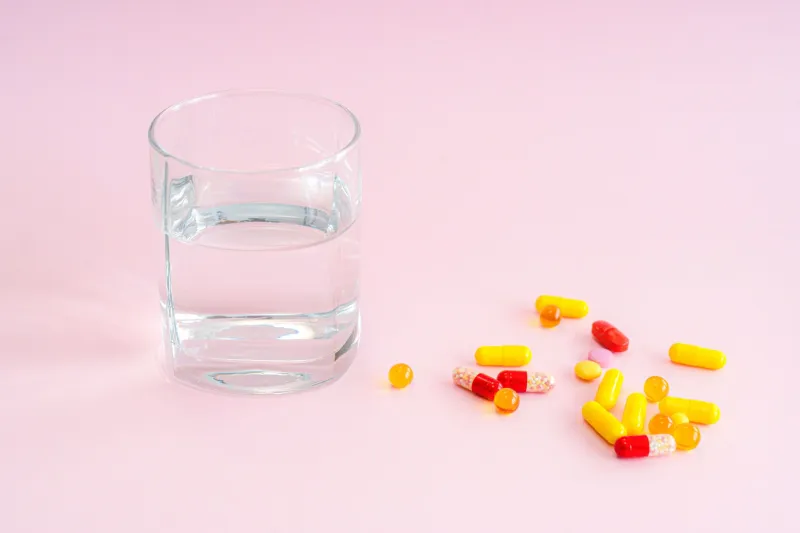
Most patients have seen the warning printed on the amber prescription bottle: Do not consume alcohol while taking this medication. Many treat this as a cautionary suggestion—something written by a lawyer rather than a pharmacist. In reality, that warning reflects a precise clinical concern: alcohol does not simply coexist with medication in your body. It competes with it, accelerates it, suppresses it, or magnifies it—often in ways that patients cannot feel until the consequences have already arrived.
Understanding how alcohol interacts with your medication is not a matter of lifestyle preference. It is a dosing issue, and one that is frequently underestimated by patients and inadequately explained by providers during rushed office visits.
Your Liver Is Doing Two Jobs at Once—And It Cannot Always Keep Up
To understand why alcohol disrupts medication dosing, it helps to understand where both substances are processed: the liver. The liver relies on a family of enzymes—most notably the cytochrome P450 system—to metabolize the majority of prescription and over-the-counter drugs. Alcohol is also processed through this same enzymatic pathway.
When alcohol and medication are present in your system simultaneously, they compete for the same metabolic resources. Depending on the drug involved, two things can happen, and both are problematic.
First, the medication may be metabolized more slowly than intended. This means the drug accumulates in your bloodstream beyond its prescribed concentration—effectively delivering a higher dose than your physician calculated. For medications with narrow therapeutic windows, such as blood thinners like warfarin or certain seizure medications, this accumulation can push blood levels into a dangerous range without any change to the number of pills you took.
Second, for patients who drink regularly over time, the liver may actually become more efficient at breaking down certain drugs. Chronic alcohol use can induce liver enzymes, causing some medications to be cleared from the body faster than expected. This reduces their therapeutic effect—meaning a dose that was clinically appropriate is no longer delivering adequate treatment.
The same prescription. The same dose. A completely different outcome—because of what was in the glass.
Common Medications Where Alcohol Changes the Dosing Reality
Several drug classes carry particularly significant risks when combined with alcohol, and patients prescribed these medications deserve explicit, detailed guidance rather than a generic warning sticker.
Acetaminophen (Tylenol and its generics): This is perhaps the most misunderstood interaction in American medicine. Because acetaminophen is available without a prescription, many patients assume it is categorically safe. However, combining acetaminophen with alcohol—even at doses within the labeled daily limit—places significant stress on the liver. Chronic drinkers are at elevated risk for acetaminophen-induced liver toxicity even at doses considered safe for non-drinkers. The FDA recommends that patients who consume three or more alcoholic drinks per day consult a physician before using acetaminophen at all.
Benzodiazepines and sleep medications: Drugs such as diazepam, lorazepam, and certain sleep aids are central nervous system depressants. Alcohol is also a CNS depressant. Together, their sedative effects are not simply additive—they can be synergistic, meaning the combined effect is greater than the sum of each alone. This combination can cause dangerous respiratory depression, extreme sedation, or loss of consciousness. Patients prescribed these medications for anxiety or insomnia may not realize that a glass of wine before bed fundamentally alters the effective dose they are experiencing.
Certain antibiotics: Metronidazole (Flagyl) and tinidazole produce a well-documented reaction when combined with alcohol—nausea, flushing, rapid heart rate, and severe discomfort. This is not a minor interaction. Even small amounts of alcohol can trigger this response, and it can persist for several days after the final dose of the antibiotic.
Blood pressure medications: Some antihypertensives are affected by alcohol's vasodilatory properties, potentially causing blood pressure to drop more sharply than the prescribed dose was intended to achieve. Patients may experience dizziness, lightheadedness, or fainting—particularly when standing quickly.
Antidepressants and mood stabilizers: SSRIs, SNRIs, and older tricyclic antidepressants all carry interaction risks with alcohol. Beyond the well-known concern about alcohol worsening depression itself, some antidepressants can intensify alcohol's sedative effects or alter the drug's plasma concentration, making the prescribed dose either more or less effective than intended.
The Moderate Drinking Misconception
A common patient assumption is that warnings about alcohol apply primarily to heavy drinkers. This is a meaningful misunderstanding. While chronic, heavy alcohol use does create the most severe and complex drug interactions, moderate drinking—defined by the CDC as up to one drink per day for women and two for men—is sufficient to alter medication metabolism in clinically relevant ways for many drug classes.
Timing matters as well. Some patients believe that separating alcohol and medication by several hours eliminates the interaction risk. For short-acting drugs, this strategy may offer some benefit. However, many modern medications—particularly extended-release formulations—remain active in the body for twelve to twenty-four hours or longer. Drinking in the evening does not necessarily mean the alcohol has cleared before your morning dose begins working.
What Patients Should Actually Do
The practical steps here are straightforward but require initiative from the patient.
Ask directly and specifically. When a new prescription is written, ask your prescriber or pharmacist: What happens if I drink alcohol while taking this medication? Does it affect how much of the drug reaches my bloodstream? These are precise, clinical questions that warrant precise answers—not just a general caution.
Disclose your drinking habits honestly. Physicians calibrate dosing recommendations based on the information they have. If your provider does not know that you have two or three drinks most evenings, they cannot factor that into your treatment plan. Disclosing alcohol use is not a moral judgment—it is clinical data.
Review your full medication list, including OTC products. Alcohol's interactions are not limited to prescriptions. Many over-the-counter cold and flu remedies, allergy medications, and sleep aids carry their own interaction profiles. Patients combining multiple products—even without a single prescription—can create compounding risks.
Read medication guides, not just warning labels. The brief sticker on a prescription bottle is a prompt, not an explanation. Most dispensed medications come with a medication guide or package insert that describes interactions in detail. These documents exist precisely because the label cannot contain everything a patient needs to know.
A Dosing Variable Your Prescription Doesn't Account For
Your physician calculated your dose based on your weight, your kidney and liver function, your other medications, and your diagnosis. That calculation assumed a baseline physiology. Alcohol alters that baseline in real time.
The warning on your prescription bottle is not a formality. It is an acknowledgment that alcohol is pharmacologically active—that it enters the same metabolic pathways, competes for the same enzymes, and can shift the effective dose of your medication without you changing a single pill. For patients managing chronic conditions, where consistent drug levels are essential to treatment success, this is not a minor consideration.
Treating the alcohol-medication interaction as a genuine dosing variable—rather than a lifestyle footnote—is one of the most straightforward ways patients can protect the integrity of their own treatment.