Ninety Days of Convenience, Ninety Days of Risk: The Medication Management Dangers Hidden Inside Mail-Order Pharmacy
When Convenience Becomes a Clinical Concern
For millions of Americans, the appeal of mail-order pharmacy is straightforward: lower co-pays, fewer trips to the drugstore, and a three-month supply of medication delivered to the front door. Health insurers actively encourage this model, and many plans now offer financial incentives—sometimes significant ones—to steer patients away from retail pharmacies entirely.
What those incentive structures rarely communicate is the set of medication management risks that arrive alongside the package. A 90-day supply is not simply a larger version of a 30-day supply. It is a fundamentally different dispensing model, and for a meaningful subset of patients, it introduces hazards that neither the insurer nor the mail-order pharmacy has adequately addressed.
The Problem Starts at the Mailbox
Medications are manufactured and packaged under carefully controlled conditions. Storage guidelines—typically printed in small type on the bottle or included in the package insert—are not suggestions. They are pharmacological requirements. Most oral medications should be stored at controlled room temperature, generally defined as between 68°F and 77°F.
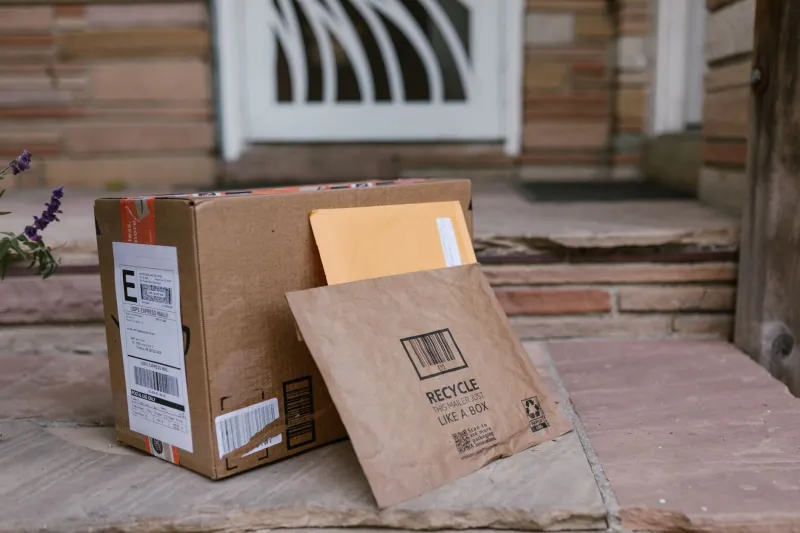
A padded envelope sitting in a metal mailbox in Phoenix in July can exceed 140°F within minutes. A package left on an apartment building's unheated vestibule floor in Minneapolis in January may drop well below freezing. In both scenarios, the medication inside may have been chemically compromised before the patient ever opens the box.
This concern is amplified when the drug in question is temperature-sensitive by design—insulin, certain biologics, some liquid antibiotics, and specific topical formulations among them. Mail-order pharmacies that ship these medications with ice packs and insulated packaging are operating under a best-effort system. If the carrier is delayed, if the patient is traveling, or if the package is left in an unsuitable environment for even a few hours, therapeutic integrity may be lost.
The critical issue is that degraded medication often looks identical to intact medication. A patient has no reliable way to know, by visual inspection, whether a pill that sat in a hot delivery truck for six hours is still delivering its labeled dose.
Bulk Dispensing and the Dosing Schedule Disruption
Refill timing is among the most underappreciated aspects of medication adherence. Retail pharmacies typically dispense 30-day supplies, which creates a natural monthly checkpoint. Patients pick up their prescription, interact with a pharmacist, and—even briefly—have an opportunity to raise concerns, report side effects, or confirm that the current dose remains appropriate.
With a 90-day mail-order supply, that checkpoint disappears. A patient who experiences a side effect in week two of a new prescription may continue taking the medication for nearly three more months before their next interaction with any pharmacy professional. A dose adjustment ordered by a physician mid-cycle creates an immediate logistical problem: the patient has 60 days of the old dose sitting in a drawer, and the new prescription may not arrive for days.
The financial logic of mail-order pharmacy can also create a perverse adherence dynamic. Patients who have already paid for a 90-day supply may feel reluctant to discard unused medication if a change is warranted, leading some to continue a discontinued regimen or self-adjust by splitting remaining pills—introducing a separate category of risk discussed at length elsewhere on this site.
Accidental Dose Escalation in a 90-Day Household
Consider a scenario that pharmacists and physicians encounter with some regularity: an older patient manages multiple chronic conditions and receives 90-day supplies of several medications. The bottles accumulate. Some are stored in the medicine cabinet, some on the kitchen counter, some in a travel bag. When a prescription is updated, the previous supply is not always clearly separated from the new one.
In this environment, accidental double-dosing becomes a genuine risk. A patient who takes a morning dose and cannot remember whether they took it—a concern that increases with age and cognitive change—may take a second dose from a different bottle of the same medication. With a 30-day supply, this risk exists but is self-limiting; with 90 days of inventory distributed across multiple locations in a home, the potential for confusion compounds.
Caregiver-managed medication regimens carry similar exposure. A spouse or adult child who manages a loved one's medications may not be aware that two bottles of the same drug, acquired at different times and stored separately, represent overlapping rather than sequential supplies.
What Patients Should Do Before Switching to Mail-Order
The following steps can meaningfully reduce the risks associated with mail-order dispensing without requiring patients to forgo the cost savings the model offers.
Verify storage requirements before the first shipment. Ask the prescribing physician or a pharmacist whether the medication in question has specific temperature or humidity requirements. If it does, confirm in writing with the mail-order pharmacy how they handle temperature-controlled shipping and what their policy is if a package is delayed or damaged.
Establish a single, designated medication storage location at home. All bottles—current and backup supply—should be stored in one place, clearly organized by medication name and fill date. This single-location rule reduces the risk of accidental double-dosing and makes it easier to identify when supplies are running low.
Build in a refill buffer that accounts for shipping delays. Mail-order pharmacies typically advise initiating a refill when approximately 30 days of supply remain. In practice, patients should request refills slightly earlier than the pharmacy's stated window, particularly around holidays, severe weather seasons, or periods of anticipated travel.
Communicate prescription changes to the mail-order pharmacy immediately. If a physician adjusts a dose or discontinues a medication, contact the mail-order pharmacy on the same day. Ask explicitly whether any pending shipments can be intercepted, whether a partial refund is available for unused supply, and how to handle the transition to the new regimen.
Request a pharmacist consultation at least annually. Most mail-order pharmacy services offer telephonic or digital pharmacist consultations. Patients who use mail-order exclusively should take advantage of this resource at least once per year—and more frequently when managing multiple medications or when a new prescription is added to an existing regimen.
The Right Pharmacy Model Is the One That Fits the Patient
Mail-order pharmacy is not inherently unsafe. For patients on stable, long-term regimens of non-temperature-sensitive medications who have established consistent storage and adherence habits, the 90-day model can be both economical and practical. The risk is not in the model itself but in the assumption that it requires no active management.
The patients most likely to encounter problems are those whose regimens are in flux, those managing medications with narrow therapeutic windows, older adults managing multiple prescriptions, and anyone whose home environment or travel patterns make consistent storage difficult to maintain.
Understanding which category you fall into—and having an honest conversation with your physician and pharmacist about whether mail-order is appropriate for your specific situation—is the first and most important step toward using this dispensing model safely.