Allergy Season's Hidden Hazard: What Your OTC Antihistamine Is Doing to Your Prescription Medications
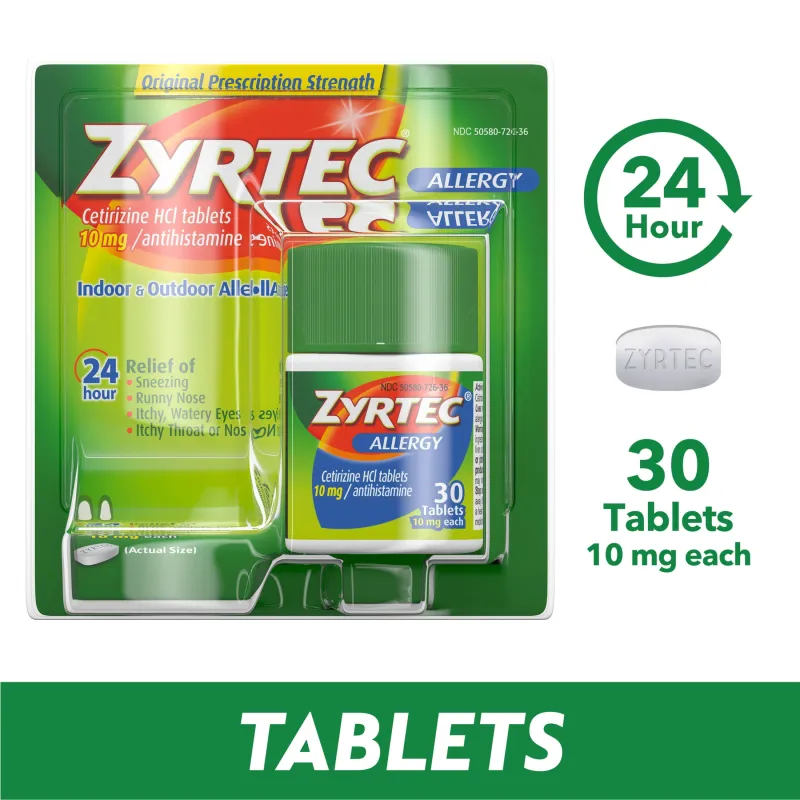
Photo: allergy medicine pills OTC pharmacy shelf antihistamine, via i5.walmartimages.com
Walk into any pharmacy in March and the allergy aisle will be fully stocked, prominently displayed, and aggressively marketed. Cetirizine, loratadine, fexofenadine, diphenhydramine, pseudoephedrine — these names are familiar enough that millions of Americans purchase them without a second thought, often without mentioning the purchase to anyone with clinical oversight of their health.
That familiarity is part of the problem. Over-the-counter (OTC) availability signals safety in the minds of most patients. What it does not signal is pharmacological inertness. Every antihistamine and decongestant sold without a prescription is a biologically active compound that interacts with the same organ systems, metabolic pathways, and receptor sites as many prescription medications. When taken together, the effects are not always additive — they can be unpredictable, clinically significant, and entirely invisible to the prescribers who are supposed to be monitoring your care.
Why OTC Allergy Products Are Routinely Left Off Medication Lists
Studies examining patient-reported medication histories consistently find that OTC products are underreported, sometimes dramatically so. Patients interpret the question "what medications are you taking?" as referring to prescription drugs. Allergy pills, they reason, are something you buy at the grocery store — hardly in the same category as a blood pressure medication or an antidepressant.
This distinction feels intuitive but has no pharmacological basis. A drug does not become less interactive because it is sold without a prescription. The regulatory pathway that led to OTC status reflects a determination about the safety profile of the drug when used by an informed consumer for a labeled indication — it does not reflect an absence of drug-drug interaction potential.
During allergy season, when patients may take an OTC antihistamine daily for weeks at a time, the cumulative interaction exposure becomes substantial.
Antihistamines and the Central Nervous System: A Compounding Risk
First-generation antihistamines — diphenhydramine (the active ingredient in Benadryl) and chlorpheniramine — are among the most commonly encountered OTC drugs in the United States. They are also among the most pharmacologically promiscuous, meaning they affect multiple receptor systems beyond the histamine pathway they are marketed to target.
Both compounds have meaningful anticholinergic activity, which becomes clinically important when patients are also taking:
- Tricyclic antidepressants (such as amitriptyline or nortriptyline) — the combined anticholinergic burden can produce urinary retention, constipation, confusion, and elevated heart rate
- Bladder medications (such as oxybutynin or tolterodine) — additive anticholinergic effects can be severe, particularly in older adults
- Antipsychotics (such as quetiapine or olanzapine) — CNS depression and sedation may be substantially amplified
- Benzodiazepines or sleep aids — respiratory depression risk increases when sedating antihistamines are layered onto existing CNS depressants
For patients over 65, the American Geriatrics Society's Beers Criteria specifically flags first-generation antihistamines as potentially inappropriate due to their anticholinergic and sedative properties — a recommendation that has not translated into reduced use at the population level.
Decongestants and Cardiovascular Medications: A Frequently Missed Conflict
Pseudoephedrine and phenylephrine — the decongestants found in Sudafed and many combination allergy-cold products — work by constricting blood vessels in the nasal passages. That same vasoconstrictive mechanism operates systemically, which is why both compounds can raise blood pressure and heart rate.
For patients managing hypertension, this presents a direct therapeutic conflict:
Beta-blockers (such as metoprolol or atenolol) work in part by slowing heart rate and reducing the force of cardiac contraction. Pseudoephedrine can blunt these effects while simultaneously driving blood pressure upward — an interaction that may not produce dramatic symptoms but can quietly destabilize blood pressure control that took months to achieve.
Monoamine oxidase inhibitors (MAOIs), though less commonly prescribed today, represent one of the most serious contraindications in OTC medicine. The combination of pseudoephedrine with an MAOI can produce a hypertensive crisis — a rapid, dangerous spike in blood pressure. Patients on phenelzine, tranylcypromine, or selegiline should treat any sympathomimetic decongestant as contraindicated.
Digoxin, used to manage certain heart rhythm disorders, is sensitive to changes in heart rate and electrolyte balance. The cardiovascular stimulation produced by decongestants can interact with digoxin's narrow therapeutic window in ways that require clinical attention.
Second-Generation Antihistamines: Safer, but Not Interaction-Free
Cetirizine (Zyrtec), loratadine (Claritin), and fexofenadine (Allegra) are marketed as non-drowsy and are generally considered safer for most patients than their first-generation predecessors. They have lower anticholinergic activity and reduced CNS penetration. However, "reduced" is not the same as "absent."
Cetirizine retains enough sedating potential that its combination with alcohol, opioids, or benzodiazepines still warrants caution. Patients taking CNS-active medications should not assume that cetirizine's non-drowsy labeling eliminates all sedation risk.
Fexofenadine absorption is significantly reduced by fruit juices — grapefruit, orange, and apple juice can lower fexofenadine blood levels by up to 36 percent, according to published pharmacokinetic data. This is relevant not because of a prescription interaction but because it illustrates that even these "cleaner" antihistamines are subject to meaningful pharmacokinetic variability.
All three second-generation antihistamines can interact with certain antifungals and macrolide antibiotics through shared metabolic pathways, potentially elevating antihistamine blood levels. Patients who receive a short course of azithromycin or fluconazole during allergy season while already taking a daily antihistamine may be unknowingly increasing their exposure.
Why the Pharmacy Counter Does Not Always Catch These Combinations
Retail pharmacies are staffed by trained professionals, and interaction screening software is a standard feature of every dispensing system. However, OTC purchases — particularly those made at a grocery store, big-box retailer, or online — may not be entered into the pharmacy system at all. If a patient fills their prescriptions at one location and buys their allergy medication somewhere else, no software is comparing the two lists.
Even within a single pharmacy, a patient who pays cash for an OTC product at the front register rather than the pharmacy counter bypasses the clinical review entirely.
During peak allergy season, pharmacists managing high prescription volumes may have limited bandwidth for the extended consultations that interaction counseling ideally requires. The burden of disclosure falls substantially on the patient.
A Practical Framework for Allergy Season Self-Medication
Navigating allergy season safely when you are also managing prescription medications requires a modest but deliberate approach:
-
Disclose all OTC allergy products to your prescriber or pharmacist before starting them — not after symptoms develop, but as a proactive conversation at the beginning of the season.
-
Avoid first-generation antihistamines if you take any CNS-active medication, any anticholinergic drug, or if you are over 65. The second-generation options are generally preferable and widely available.
-
Treat decongestants as cardiovascular medications if you have hypertension, heart disease, or take any cardiac drug. Saline nasal rinses, nasal steroid sprays (many now available OTC), and intranasal antihistamines offer decongestant-like relief with a more favorable interaction profile.
-
Read combination product labels carefully. Multi-symptom allergy and cold products often contain decongestants, pain relievers, and antihistamines in a single pill. Each ingredient carries its own interaction profile.
-
Use one pharmacy for all purchases when possible, including OTC items, and ask that they be added to your profile. This is the most reliable way to ensure that your complete medication picture is available for interaction screening.
Allergy season is an annual reality for tens of millions of Americans. Managing it safely is not complicated — but it does require treating OTC allergy products with the same clinical seriousness as any other medication in your regimen.